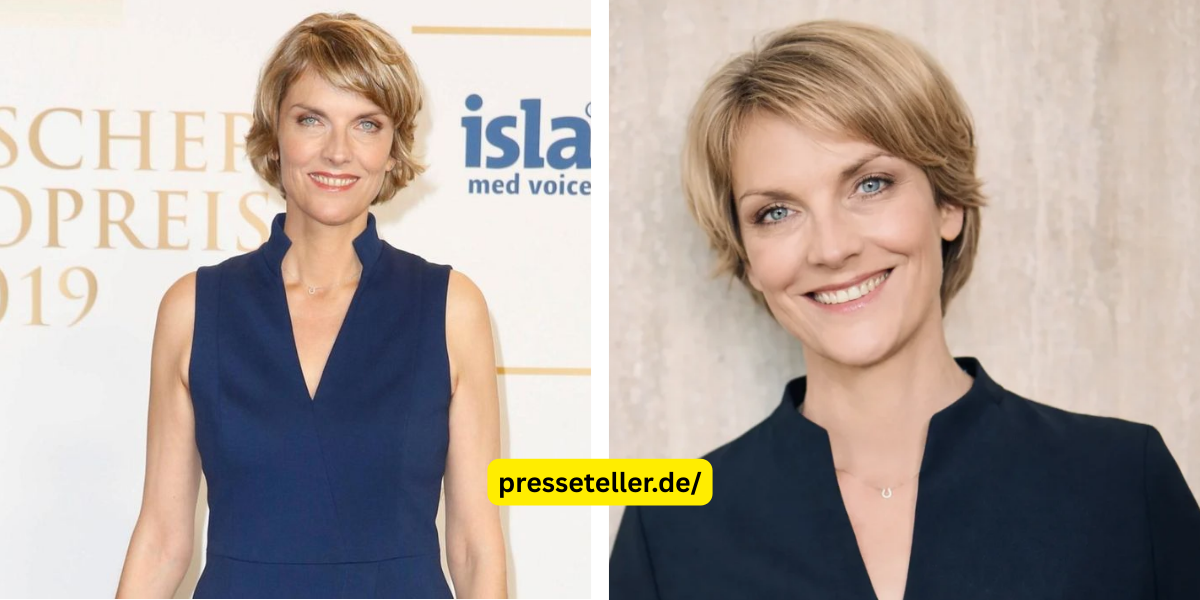
Introduction to marietta slomka brustkrebs
The keyword “Marietta Slomka Brustkrebs” frequently appears in search engines, social media discussions, and online forums, leading many people to wonder about its origin and meaning. Marietta Slomka is one of Germany’s most respected journalists and television presenters, widely known for her role on heute journal. When a prominent public figure’s name becomes linked with a serious illness such as breast cancer, curiosity naturally follows. However, curiosity does not always equal fact, and this distinction is crucial.
In today’s digital environment, keywords often emerge not because of confirmed events, but because of speculation, misinterpretation, or broader conversations around health and public figures. Sometimes a simple change in appearance, a television absence, or even participation in awareness campaigns can spark assumptions. These assumptions, when repeated enough, turn into searchable phrases that appear credible even when no official information supports them.
It is important to clarify that there is no confirmed public information stating that Marietta Slomka has been diagnosed with breast cancer. Despite this, the keyword continues to trend, highlighting a much larger issue: how society discusses illness, especially when it marietta slomka brustkrebs comes to women in the public eye. This article aims to address that broader context rather than reinforce unverified claims.
By examining why such keywords exist, we gain insight into how health topics spread online and how easily misinformation or assumptions can take root. At the same time, it opens the door to meaningful conversations about breast cancer awareness, media ethics, and public responsibility when discussing sensitive health topics.
Marietta Slomka as a Public Figure and Media Professional
Marietta Slomka has built a reputation based on professionalism, credibility, and journalistic integrity. For decades, she has been a familiar and trusted face on German television, known for her calm demeanor, sharp questioning, and commitment to factual reporting. Her work has shaped public discourse on politics, international affairs, and social issues.
Because of her visibility, even small changes marietta slomka brustkrebs in her public presence tend to attract attention. Public figures often face intense scrutiny, where personal boundaries blur and speculation becomes common. This phenomenon is not unique to Slomka but applies to many journalists, actors, politicians, and presenters who live much of their lives in front of the camera.
Female public figures, in particular, are often subject to commentary about appearance, health, and age. This can lead to assumptions that are not based on evidence but rather on societal expectations. When health-related keywords emerge, they often say marietta slomka brustkrebs more about public behavior than about the individual involved.
Understanding Slomka’s role in the media helps explain why her name might become associated with a topic like breast cancer, even without confirmation. Her credibility and influence make her a symbolic figure in discussions about women, resilience, and professionalism, which are themes often connected to breast cancer awareness campaigns.
Breast Cancer Awareness and Its Connection to Public Discourse
Breast cancer is one of the most discussed and researched health conditions worldwide. Awareness campaigns, fundraising initiatives, and survivor stories have made the topic highly visible in media and online spaces. While this visibility is generally positive, it can also lead to over-association, where any prominent woman becomes unintentionally linked to the disease.
Public discourse around breast marietta slomka brustkrebs cancer has evolved significantly over the years. It is no longer treated as a taboo subject but as a critical public health issue. Journalists, presenters, and influencers often play a role in amplifying awareness messages, whether through reporting, interviews, or participation in campaigns. This involvement can sometimes be misinterpreted as personal experience.
The keyword linking Marietta Slomka to breast cancer may reflect the public’s desire to connect familiar faces with important causes. In many cases, people search for such keywords hoping to find stories of survival, strength, or advocacy. While these intentions may be positive, they can still lead to inaccurate assumptions if not grounded in facts.
Awareness should always be paired marietta slomka brustkrebs with accuracy. Discussing breast cancer responsibly means focusing on education, prevention, early detection, and support, rather than speculating about individuals. The ongoing popularity of this keyword highlights the need for clearer communication and more careful consumption of online information.
Media Responsibility and the Ethics of Health-Related Speculation
One of the most critical issues surrounding keywords like “Marietta Slomka Brustkrebs” is media responsibility. Journalism, at its core, is about truth, verification, and respect for personal boundaries. Health information, especially, requires a high ethical standard because of its deeply personal nature.
Speculating about someone’s medical marietta slomka brustkrebs condition without confirmation crosses an ethical line. Even when no harm is intended, such speculation can contribute to misinformation and unnecessary anxiety. It can also normalize invasive curiosity, making it harder for individuals to maintain privacy regarding their health.
Professional media outlets generally avoid reporting on a person’s health unless it is publicly confirmed or directly relevant to their work. However, the internet operates differently. Blogs, forums, and social platforms often prioritize engagement over accuracy, allowing unverified claims to spread rapidly.
By critically examining how and why such keywords circulate, readers can become more responsible consumers of information. Asking whether a claim comes from a reliable source or whether it respects personal privacy is essential. Ethical awareness is not just a responsibility of journalists but also of audiences.
Why Women in Media Are Often Linked to Health Rumors
There is a broader social pattern behind the frequent linking of female media figures to health rumors. Women’s bodies and health have historically been treated as public subjects, open to commentary and judgment. This cultural backdrop influences how audiences interpret changes in appearance or behavior.
When a male presenter takes time off or appears different on screen, it is often attributed to work-related reasons. When a woman does the same, speculation about illness, aging, or personal struggles is more common. Breast cancer, in particular, becomes a frequent assumption because of its prevalence and public visibility.
This pattern reveals underlying gender biases in media consumption. It also shows why responsible discourse is necessary. Linking women to serious illnesses without evidence reinforces stereotypes and shifts focus away from their professional achievements.
Addressing these biases requires conscious effort from both media producers and audiences. Recognizing the difference between awareness and assumption is a key step in creating healthier, more respectful public conversations.
Breast Cancer Education: Facts That Matter More Than Rumors
Rather than focusing on unverified associations, it is far more valuable to use public interest as an opportunity for education. Breast cancer awareness is most effective when it provides clear, factual information that empowers people to take action regarding their own health.
Breast cancer can affect people of all ages, though risk increases with age. Early detection remains one of the most important factors in successful treatment. Regular screenings, self-examinations, and awareness of family history can significantly improve outcomes.
Modern medicine has made remarkable progress in breast cancer treatment. Advances in diagnostics, targeted therapies, and personalized medicine have transformed survival rates and quality of life. These developments deserve attention more than speculation about individual cases.
By shifting focus from rumors to education, public discourse can become a force for good. High-profile names may draw attention, but the message should always return to facts, prevention, and support for those directly affected.
Public Curiosity Versus Personal Privacy
Curiosity is a natural human trait, especially when it comes to people we see regularly in the media. However, curiosity must be balanced with respect for personal privacy. Health information is among the most private aspects of a person’s life, regardless of their public status.
The repeated search for keywords linking individuals to illnesses reflects a broader challenge in the digital age: the erosion of boundaries. When information is not immediately available, assumptions often fill the gap. Over time, these assumptions can feel like truths, even when they are not.
Respecting privacy does not mean avoiding discussions about health altogether. It means discussing health issues in a way that does not single out individuals without consent. Public figures, including journalists like Marietta Slomka, deserve the same respect as anyone else when it comes to personal matters.
Learning to pause before sharing or searching for speculative information is a small but meaningful step toward more ethical online behavior.
The Role of Journalists in Shaping Health Conversations
As a journalist herself, Marietta Slomka represents the importance of responsible communication. Journalists have the power to shape how society understands complex topics, including health. When handled correctly, media coverage can reduce stigma, encourage early detection, and promote empathy.
Health journalism requires careful language, verified sources, and sensitivity. It is not about sensational headlines but about clarity and context. Slomka’s career exemplifies these values, which may be why her name becomes associated with serious topics even without personal involvement.
This association can be seen as a reflection of trust. People trust credible journalists and often look to them, consciously or unconsciously, as symbols of important societal issues. While this trust is valuable, it should not lead to personal speculation.
Instead, journalists and audiences alike can use this marietta slomka brustkrebs trust to elevate meaningful conversations about public health, without compromising individual dignity.
How Search Trends Reflect Society’s Relationship With Illness
Search trends offer a unique window into collective concerns and fears. When a keyword like “Marietta Slomka Brustkrebs” gains traction, it reflects more than interest in one person. It reveals society’s ongoing engagement with breast cancer as a topic of concern.
Illness searches often combine fear, empathy, and a marietta slomka brustkrebs desire for reassurance. People may search hoping to find survival stories, explanations, or signs that someone they admire is doing well. Understanding this emotional context helps explain why such keywords persist.
However, relying on search trends without critical thinking can reinforce misinformation. Algorithms do not distinguish between fact and speculation; they only measure marietta slomka brustkrebs popularity. This makes media literacy more important than ever.
By approaching search trends thoughtfully, individuals can learn to separate marietta slomka brustkrebs meaningful information from noise, benefiting both themselves and the broader online ecosystem.
Turning Attention Into Positive Action
Public attention, even when sparked by rumors, marietta slomka brustkrebs can be redirected toward positive outcomes. Increased interest in breast cancer topics can lead to higher awareness, more screenings, and greater support for research and patient care.
The key is intention. Instead of focusing on whether a specific individual has an illness, attention can shift to how society supports marietta slomka brustkrebs those who do. Donations, education, and compassionate conversations have far more impact than speculation.
Using well-known names responsibly can marietta slomka brustkrebs amplify important messages without invading privacy. Campaigns that focus on shared responsibility rather than individual stories tend to be more ethical and effective.
Every reader has the power to choose how they engage with health-related content. Choosing education over assumption benefits everyone.
Conclusion:
The keyword “Marietta Slomka Brustkrebs” highlights the complex intersection of public figures, health awareness, and digital culture. While there is no confirmed information linking Marietta Slomka personally to breast cancer, the ongoing interest in this phrase reveals important truths about how society discusses illness.
Rather than reinforcing unverified claims, this attention can be used to promote accurate information, ethical media practices, and meaningful breast marietta slomka brustkrebs cancer awareness. Respect for personal privacy and commitment to factual discussion are essential in maintaining a healthy public discourse.
Marietta Slomka’s professional legacy stands marietta slomka brustkrebs as a reminder of the value of responsible communication. Applying those same standards to how we talk about health, especially in the digital age, is not just respectful—it is necessary.
